
Roll reversals! When you eat a roll from the bottom up. Actually, my topic this week is ROLE reversals…in literature.
There’s plenty of potential drama in those reversals — including how the protagonists act in the unexpected/unfamiliar situations they find themselves in, and how other people react to those characters.
Perhaps the best known example of a role reversal in fiction is Mark Twain’s The Prince and the Pauper, whose two main characters dizzyingly switch stations in life. But role reversals can be more realistic and recognizable.
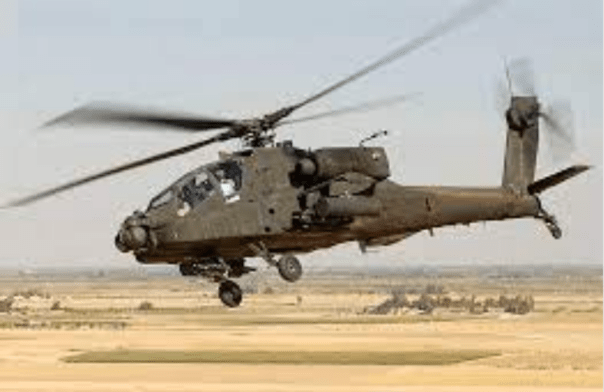
In a novel I recently read — Kristin Hannah’s heart-wrenching, masterful Home Front — Jolene is deployed as a helicopter pilot in the Iraq War while her attorney husband Michael remains on the…home front…to take care of their two daughters. A somewhat unusual gender reversal. Of course, many women are now in the military, but the novel is set nearly 20 years…
View original post 352 more words



 1966 “John Wieners (January 6, 1934 – March 1, 2002) was a Beat poet and member of the San Francisco Renaissance; an antiwar and gay rights activist. His poetry combined candid accounts of sexual and drug-related experimentation with jazz-influenced improvisation.”






 was born as James William Brown, in Bogalusa Louisiana, the eldest of five children. He served one tour of duty in South Vietnam during the war, and worked for the military paper Southern Cross, leaving the service in 1966. He earned an M.A. in writing from Colorado State University in 1978, and an M.F.A. in Creative Writing from the University of California, Irvine, in 1980. He was awarded the 1994 Pulitzer Prize in Poetry for Neon Vernacular. Komunyakaa is a professor in the Creative Writing Program at New York University.
 dean ramser