


“There’s little argument that the quintet Miles Davis led between 1965 and 1968 was one of the classic combos in the history of jazz. By teaming with the adventurous young musicians Wayne Shorter (tenor sax), Herbie Hancock (piano), Ron Carter (bass), and Tony Williams (drums), Davis pushed mainstream jazz toward the avant-garde, expanding on the modal jazz he inaugurated with ‘Kind of Blue’ and laid the groundwork for fusion. Four of their five studio albums – ‘ESP’, ‘Miles Smiles’, ‘Sorcerer’, ‘Nefertiti’ – were essential, and even when they were slightly off the mark, as on ‘Miles in the Sky’, they were still filled with provocative sounds and ideas. That’s the reason why ‘The Miles Davis Quintet 1965-68: The Complete Columbia Studio Recordings’ is an essential release. It contains all the music from each of the five studio records, plus half of the material released on ‘Filles De Kilimanjaro’ and ‘Water…
View original post 168 more words




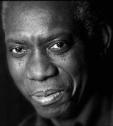 was born as James William Brown, in Bogalusa Louisiana, the eldest of five children. He served one tour of duty in South Vietnam during the war, and worked for the military paper Southern Cross, leaving the service in 1966. He earned an M.A. in writing from Colorado State University in 1978, and an M.F.A. in Creative Writing from the University of California, Irvine, in 1980. He was awarded the 1994 Pulitzer Prize in Poetry for Neon Vernacular. Komunyakaa is a professor in the Creative Writing Program at New York University.

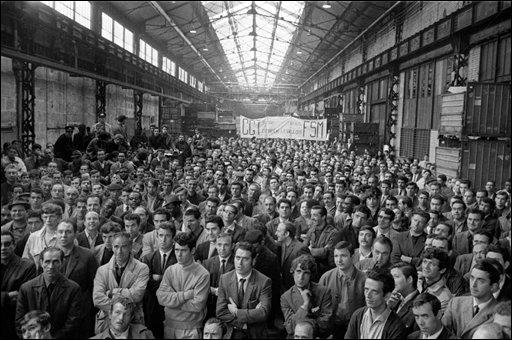 Citroen plant occupied by the workers, 1968

 The Perils of Just Aimlessly Sitting “Although parts of this book were originally published in Kenward Elmslie’s ZZ Magazine and first published in book form by Black Sparrow Press, this reviewer was pleasantly surprised to find this collaboration waiting in the mailbox in a fine new volume published by Granary Books. Joe Brainard passed from this life May 25, 1994, but he will be remembered always for his writing and visual art, infused as it is with a refreshing almost naïve wisdom, which is a contradiction in terms made possible by Brainard’s deft touch. John Ashbery’s name is familiar to art aficionados as a poet, critic, essayist and wizard, having won too many literary awards to count. This mélange of Ashbery’s writing and Brainard’s drawings makes total sense, not simply because of their reputations as members of the first and second generation of New York School poets respectively, but because…
 dean ramser