
Fred Klonsky is a retired teacher who blogs regularly about Chicago, Illinois, the nation, politics, and culture. In this post, he draws an interesting comparison between the recent expulsion of two Black legislators in Tennessee and events concurrent with the end of the Reconstruction era and the reign of Jim Crow. There is this difference: The two ousted members are very likely to be restored to their seats in the legislature by their local elected officials. The Tennessee Three are now national figures revealing the fascist hand in the iron glove of the Republican Party when it has the majority.
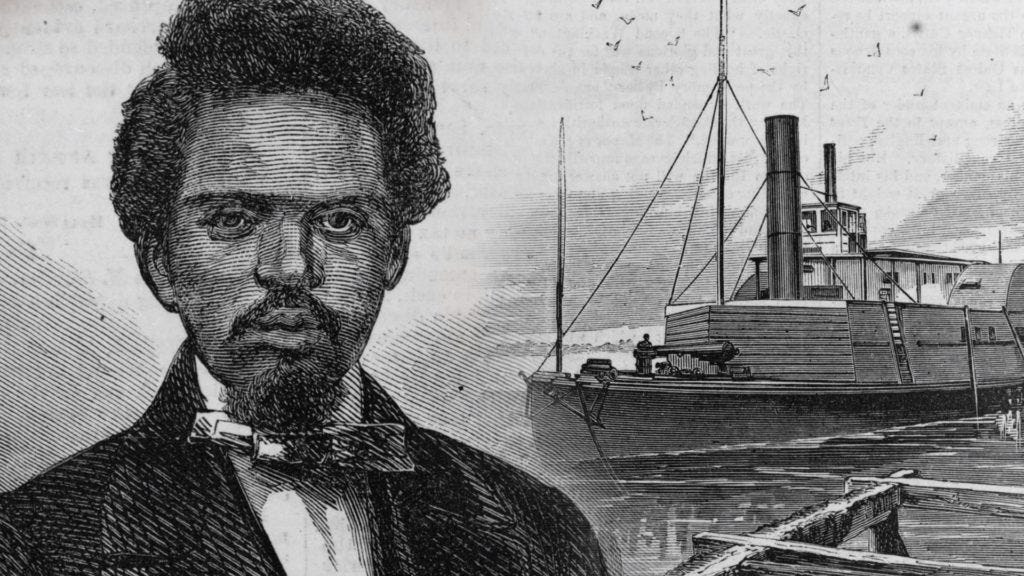
Robert Smalls, Congressman during Reconstruction.
The expulsion of Rep. Justin Jones and Rep. Justin Pearson from the Tennessee legislature has a direct historical link to the overthrow of real democracy and Reconstruction following the Civil War.
On May 13, 1862 an enslaved man named Robert Smalls, who labored on a…
View original post 428 more words


 Billy Collins was born on March 22, 1941, dubbed “the most popular poet in America” by Bruce Weber in the New York Times, was a two-term U.S. Poet Laureate (2001-2003), and has published many poetry collections, including Questions About Angels; The Art of Drowning; and Nine Horses: Poems. It was Questions About Angels, published in 1991, that put him in the literary spotlight. Collins says his poetry is “suburban, it’s domestic, it’s middle class, and it’s sort of unashamedly that.”
 From the cover of Révolution Africaine.
 “Future Shock is a 1970 book by American
  “Bob Dylan’s classic album Highway 61 Revisited was released in August 1965. The first song on the album, ‘Like A Rolling Stone,’ reached number two on the Billboard charts. It was kept from the top spot only by The Beatles and their demand for ‘Help!’ The second track on Dylan’s album, ‘Tombstone Blues,’ features more than a dozen named characters, including one who might be William S. Burroughs.
 dean ramser