

“Ours is indeed an age of extremity. For we live under continual threat of two equally fearful, but seemingly opposed, destinies: unremitting banality and inconceivable terror. It is fantasy, served out in large rations by the popular arts, which allows most people to cope with these twin specters. For one job that fantasy can do is to lift us out of the unbearably humdrum and to distract us from terrors, real or anticipated—by an escape into exotic dangerous situations which have last-minute happy endings. But another one of the things that fantasy can do is to normalize what is psychologically unbearable, thereby inuring us to it. In the one case, fantasy beautifies the world. In the other, it neutralizes it. The fantasy to be discovered in science fiction films does both jobs. These films reflect world-wide anxieties, and they serve to allay them. They inculcate a strange apathy concerning the…
View original post 200 more words


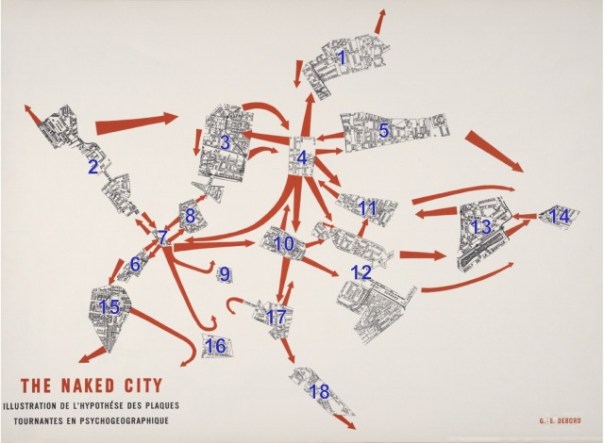 Guy Debord’s “Naked City”, map of Paris
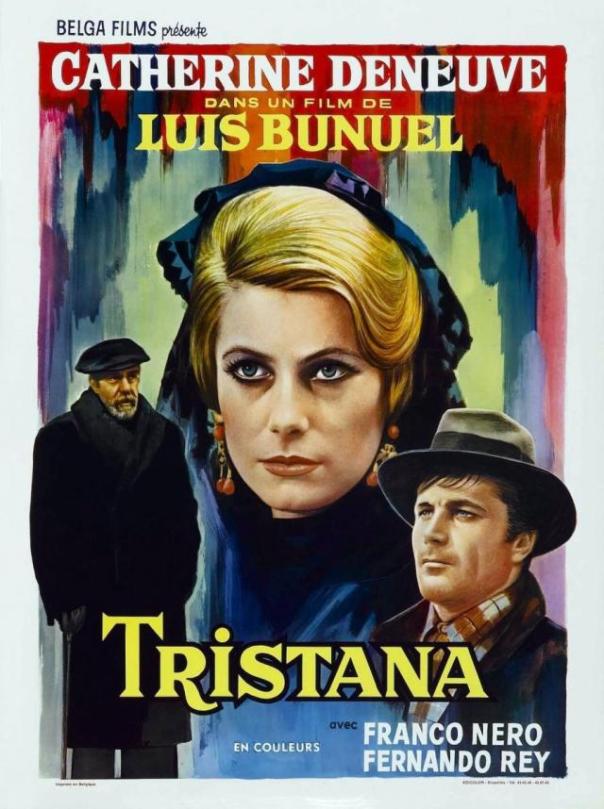 “The journal entry above, dated October 4, 1969, was written during the second week of shooting Tristana (1970), Catherine Deneuve’s second—and final—collaboration with Luis Buñuel after the enormous success of Belle de Jour (1967). Abounding in bizarre detail, the jotting succinctly captures Tristana’s impeccable balance of precision and perversion. As in Belle de Jour—in which Deneuve’s character, Séverine, a YSL-clad haute bourgeoise, finds erotic liberation through byzantine psychosexual fantasies and part-time work at a boutique bordello, where she is christened with the nom de pute of the title—Tristana hinges on the defilement of its eponymous character. When the film opens, Tristana is all in black, still in mourning for her recently deceased mother. The innocent, timid, orphaned teenager becomes the ward of Don Lope (Buñuel regular Fernando Rey), a lecherous, hypocritical, overweening Manchegan aristocrat who wastes no time in seducing her. ‘I’m your father and your husband,’ the…
 dean ramser