

A lot of academic work is collaborative. It’s a fine irony then that academics are generally managed, promoted and audited as individuals. Citation measures like google scholar are a prime example – publications are seen as solo affairs, even when most of the work that is represented in an H index is the result of team work.
But teams are often organised hierarchically. Pyramid team structures can lead to a load of issues, not least of which is who takes credit for ideas, who gets acknowledged in publications, and how authorship is managed. Yes, there are principles and guides for how to manage collaboration, but you only have to read social media for a few days to know that those at the top of team trees don’t always abide by the authoring/recognition rules.
I’ve been wondering what would happen if we regularly thought out loud about team work and collaboration…
View original post 821 more words


 “It’s only when I re-read Our Man in Havana that I realized I shared a street with the hapless spy hero of Graham Greene’s novel. My own office was in a grand trading exchange in the old city that dated back to the early 20th century. At Calle Lamparilla 1, the building was just a short distance from the fictional vacuum cleaner store run by Jim Wormold. The novelist gives the address of Phastkleaners as Lamparilla 37, but I’ve walked up and down the dusty street before without locating any building with that number. There are no houses at all between 2 and 61, just a small park. This time, though, I’m returning to the search with fresh information. Calle Lamparilla cuts through the historic heart of the city down to my old office near the dock. Sidestepping a couple of elderly men playing the fool for tips at a…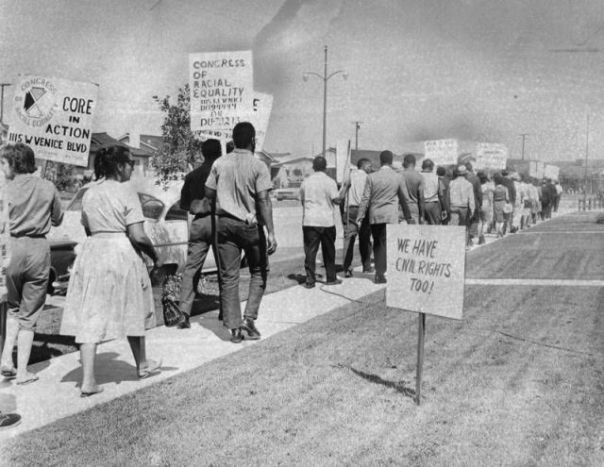


 “Edward Palmer Thompson (3 February 1924 – 28 August 1993) was an English historian, writer, socialist and peace campaigner. He is best known today for his historical work on the radical movements in the late 18th and early 19th centuries, in particular
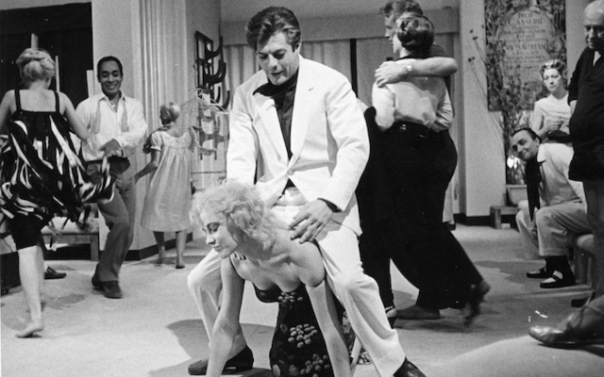 La Dolce Vita – Federico Fellini (1960)
 dean ramser