
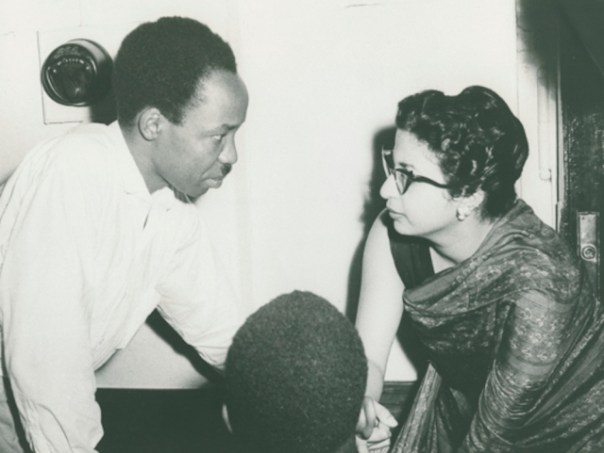
Frene Ginwala. Author supplied image.
“On April 12, 1960, a few weeks after the Sharpeville Massacre, the South African lawyer and journalist Frene Noshir Ginwala arrived in Dar es Salaam, the capital of Tanganyika. In that year, British-ruled Tanganyika was already transitioning towards independence with internal self-government. This transition provided the country’s subjects with more opportunities for political activities than most other countries in Southern and East Africa could provide. Ginwala’s important role in the anti-apartheid movement is well-known. Many obituaries written after her death on January 12, 2023, mention that she paved the way for Oliver Tambo and other South Africans to set up the ANC’s external mission after the apartheid regime banned the organization. Later on, she became the first speaker of South Africa’s first post-apartheid parliament. What is less known is that Dar es Salaam in the early 1960s was a launching pad for Ginwala’s monthly newspaper…
View original post 197 more words


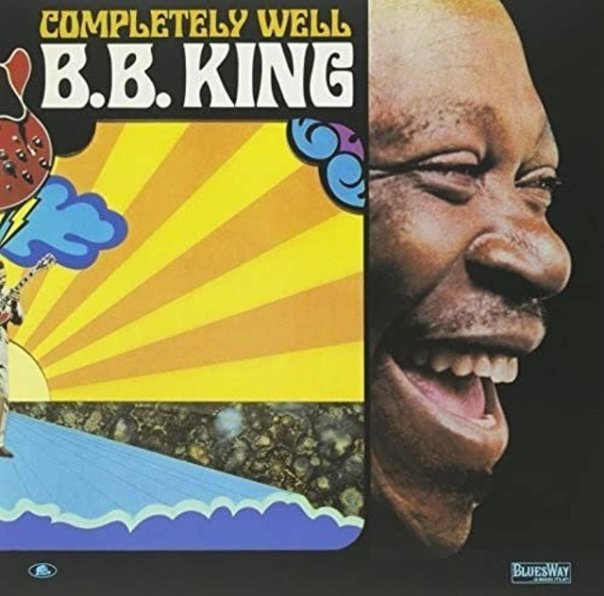
 Hyena Stomp,1962

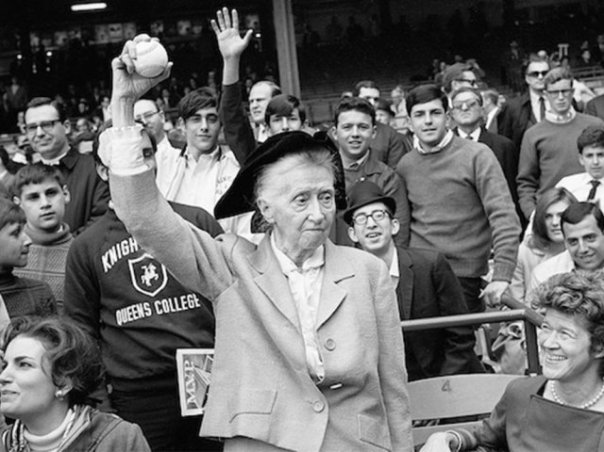 The baseball fan redux. “Baseball is a language, and, for the fanatic, it is language. It is the baseball fan who continues to make language baseball’s lingua franca.Baseball is a language, and, for the fanatic, it is language. It is the baseball fan who continues to make language baseball’s lingua franca. No more attentive fan of the Brooklyn Dodgers than the poet Marianne Moore ever attended games at Ebbetts Field or read accounts of their ultimate failures in the New York Times the next morning, and the evidence of that strange attention is of course in the poems. Her Dodgers finally won a World Series in 1955, and she combed through New York Times sports-page coverage, pulling phrases that specified her exultation, and made ‘Hometown Piece for Mssrs. Alston and Reese’ something of a collage. From its rhymed title on, the poem seems to poeticize the unpoetical and thus create…

