

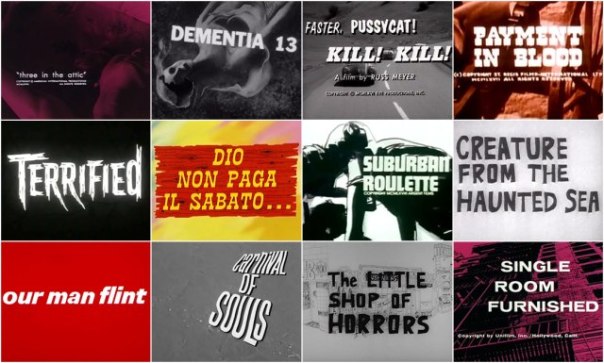
The Golden Age of the American B-Movie Title Sequence – Part 2: The End of the Production Code. “The ’60s were a time of change, not only in politics and social norms, but also the arts, and cinema in particular. Hitchcock’s Psycho, released in 1960, became the first box office blockbuster to be distributed without official approval from the Motion Pictures Distributors Association of America (MPDAA), which set rigid guidelines for sex and violence in American film. … Thus began a decade-long game of chicken between Hollywood and its patrons, each prodding the other to their limits. The censorship goalposts were pushed so far back as to be lost in the fog of America’s ongoing free speech debate. The censors became so marginalized by this cinematic machismo, and so overwhelmed by the explosion of art house films and venues, that they could simply no longer hold the line. In…
View original post 192 more words


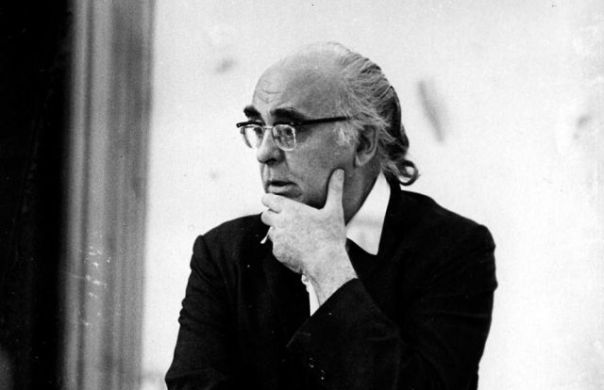 #8 (June 1995), with 15 letters from Olson to Robin Blaser. “Charles Olson and I first met — head to head — in 1957, at The Tavern, which was, then, a white, weatherboarded, frame building with rooms, a bar-restaurant, and a swimming pool on the beach in Gloucester. The pool has since been filled, Tarmac’d and reformed into a parking lot. Don Allen, who had previously met Olson in New York, picked me up in Boston to take the train there — on a shining, early summer day. I’d come east of Chicago for the first time to Boston / Cambridge in July, 1955, hired from Berkeley as a librarian in the Widener Library. This move east was, it seemed to me, a reasonable response to an unanswered dream — out of my childhood reading of Hawthorne, I’d wanted to go to Bowdoin College. Since my desert west didn’t…



 Chicago Freedom Movement march, South Kedzie Avenue, August 5, 1966
 dean ramser