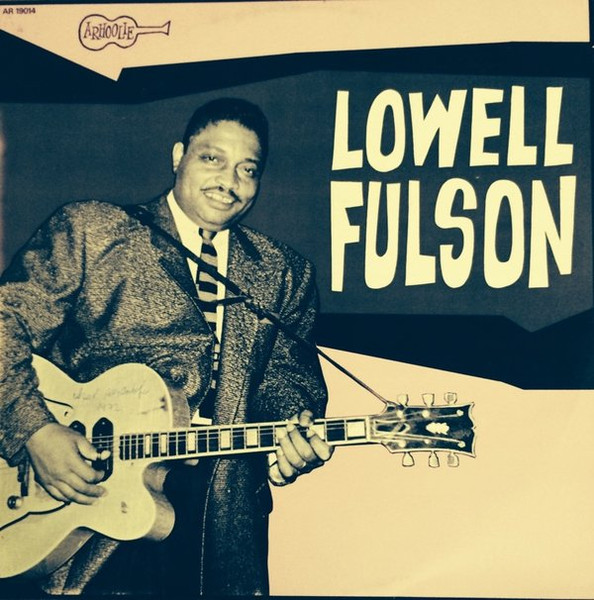
“Lowell Fulson was one of the most important figures in post-war West Coast blues, a guitarist, singer, and songwriter who was active from the late 1940s to the mid-’90s. While Fulson seemed willing to do a little bit of everything over the course of his career, his best-known work was informed by jump blues and the polished, impassioned, big-city sound typified by his fellow California bluesman T-Bone Walker. However, Fulson also cut spare, rural blues-styled material, strong soul-styled sides in the mid- to late ’60s (1967’s Tramp, including the hit title track), a smattering of funky, rock-infused blues (1970’s In a Heavy Bag), and barroom-style guitar workouts (1995’s late-era Them Update Blues). Lowell Fulson was born on March 31, 1921 in Atoka, Oklahoma on a Native American reservation; his father was of Cherokee heritage. He was just six years old when his father died, and his…
View original post 229 more words






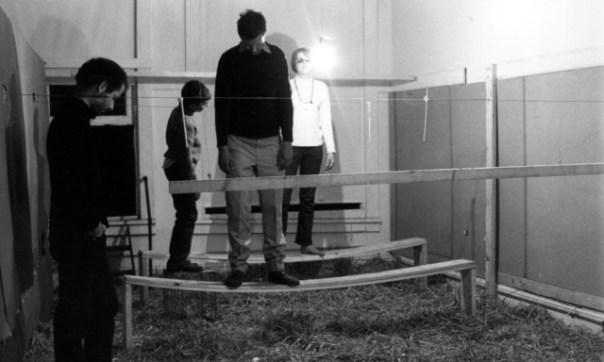 “byrdwoMAN” at Robert Wilson’s Loft in 1968.
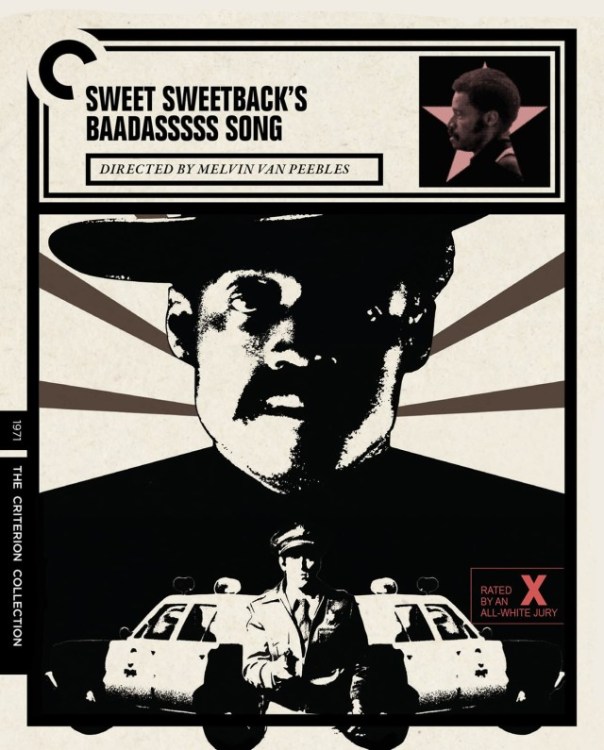 Sweet Sweetback’s Baadasssss Song: “I’m Gonna Say a Black Ave Maria For You”. “My mother was not having it. Still not having it. Her memories of being dragged to see Sweet Sweetback’s Baadasssss Song (1971) by my father (of course) remain quite visceral, and I adore her attempt to sleep it away. For many, the film is still difficult to process, and that may very well have everything to do with its seemingly irreconcilable assertion of both revolution and pornography. Arguably, the film—and all Black films, for that matter—may be best appreciated with a deliberate suspension of authenticity fantasies or demands for definitive answers about Black life. Black film criticism needs more productive ambivalence than truth claims or approaches strictly governed by Sociology 101. Messy and riveting, Sweet Sweetback’s Baadasssss Song’s style and politics continue to compellingly challenge assumptions about the idea of Black film and American film history. The film…